
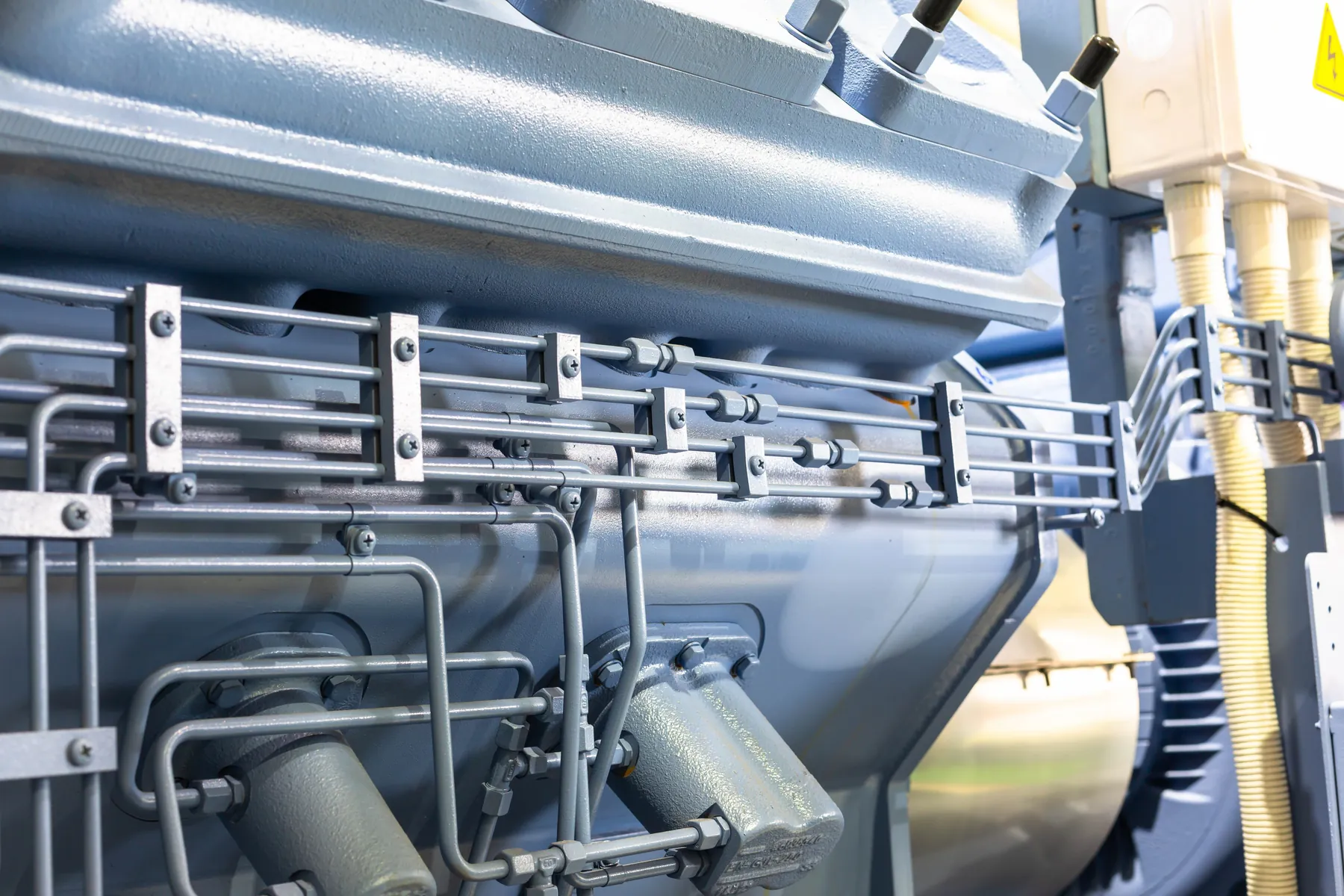
High-GWP refrigerants like R-404A are being phased down in Canada, so they are getting harder to find and more expensive to buy. We help you plan retrofits and replacements that keep your refrigeration running for years to come.
Canada is cutting the supply of HFC refrigerants in steps. Since 2024, the national supply has been capped at 40 percent below its baseline, and the cap tightens again in 2029, 2034 and 2036. Less supply means higher prices for high-GWP refrigerants like R-404A and R-507A, which many walk-ins, reach-ins and store systems still use.
Your existing equipment can keep running, and it can still be serviced. But a system that leaks or needs regular top-ups gets more expensive every year. Planning the change on your own schedule costs far less than scrambling after a major failure.
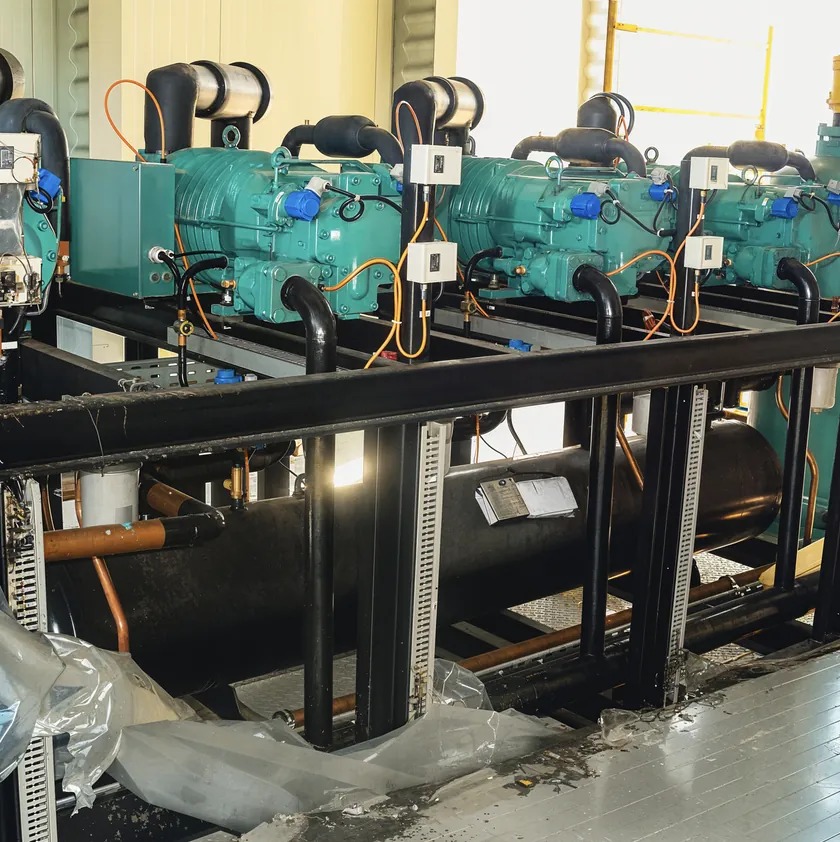
Canada's rules limit which refrigerants can go into new equipment, and they reduce how much HFC refrigerant comes into the country. Existing equipment is not banned. Here is the short version.
Condensing units and centralized refrigeration systems made in or imported into Canada must use a refrigerant with a GWP of 2,200 or less. R-404A, at about 3,900, no longer qualifies for new equipment.
The national cap on HFC supply dropped to 40 percent below baseline, and prices for high-GWP refrigerants have climbed.
New chillers, including glycol and process chillers, must use lower-GWP refrigerants.
The next big step. Expect less availability and higher prices for R-404A and other high-GWP refrigerants.
The last step of the phase-down, after an 80 percent cut in 2034. High-GWP refrigerants will be scarce and expensive, and older systems that use them will be costly to service.
We review the refrigerant each system uses, along with its age, condition and leak history.
Retrofit, replace or run to end of life. We explain the cost and trade-offs of each.
Where the equipment suits it, we convert to a lower-GWP refrigerant and reset the controls.
When replacement is the better value, we size and install efficient new systems.
Finding and fixing leaks lowers costs no matter which refrigerant you use.
Service records that help you track refrigerant use across your equipment.
The right path depends on the equipment, its age and how you use it. These are the routes we see most often.
Many can be retrofitted to R-448A or R-449A, which have about a third of the GWP and run close to R-404A. Older or leaking systems are often better replaced.
R-22 is no longer made or imported for new use, and supply for servicing is very limited. Retrofits exist, but replacing the equipment is usually the better long-term value.
Options include R-448A and R-449A, and newer blends like R-454C and R-455A with a GWP under 150.
Many new units run on propane (R-290), with a GWP of 3. They are efficient, and replacing an old unit often beats repairing it.
Transcritical CO2 (R-744) systems have a GWP of 1 and suit large rack systems and new builds.
We give you a straight answer for each system, including when the best move is to leave it alone for now.
A retrofit is more than swapping one refrigerant for another. Done right, the system runs as well as it did before, or better.
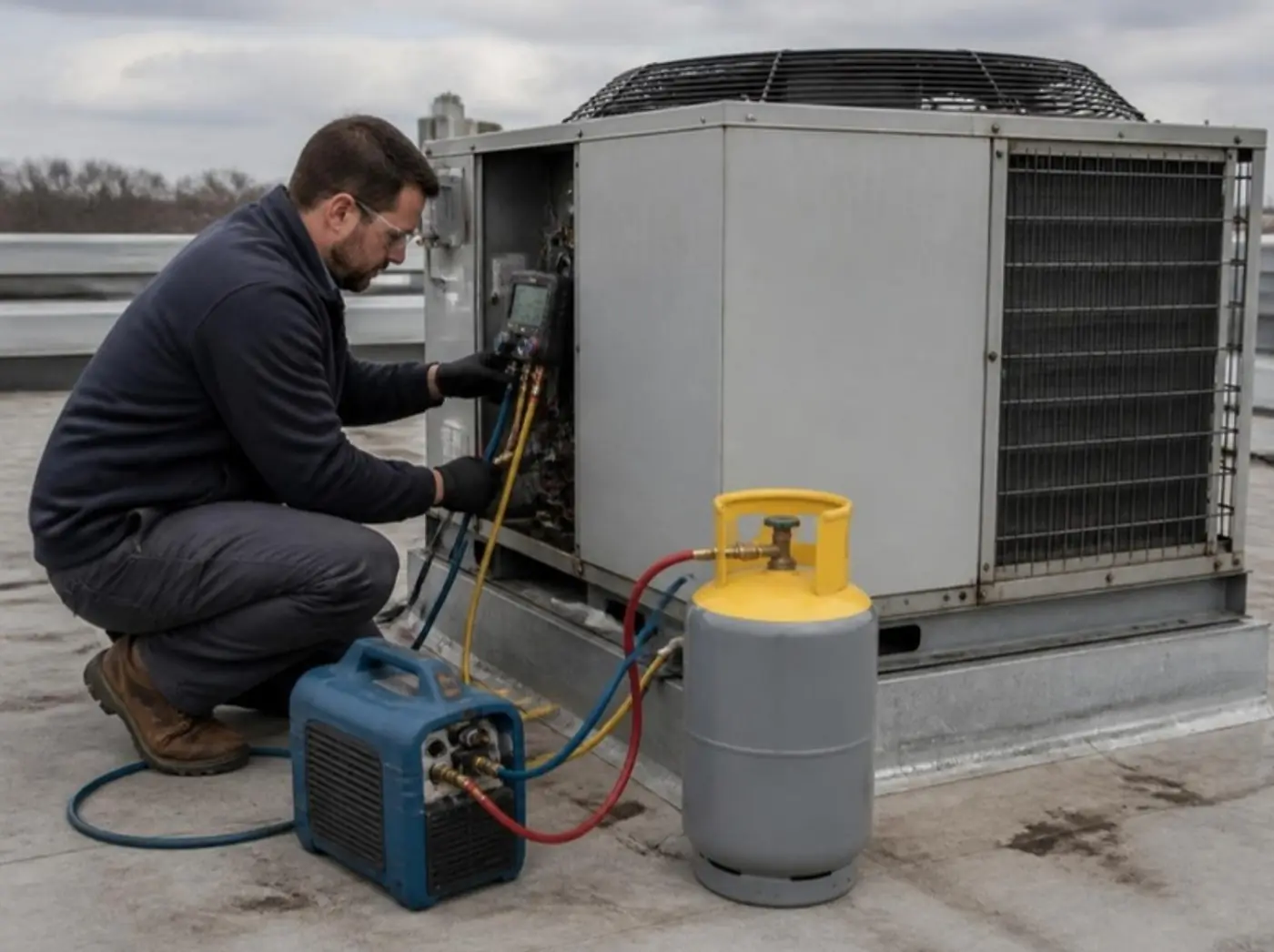
We check the refrigerant, age, condition and leak history, then recommend a retrofit, a replacement or leaving it alone.
There is no point putting new refrigerant into a leaking system, so we find and fix leaks first.
Certified technicians recover the old refrigerant and send it for reclaim or destruction. It is never vented.
We replace the filter drier, adjust or replace expansion valves where needed, and update pressure controls and set points.
The system is charged by weight and clearly labelled, so the next technician knows what is in it.
We confirm temperatures, pressures and run times, then give you a service record for your files.
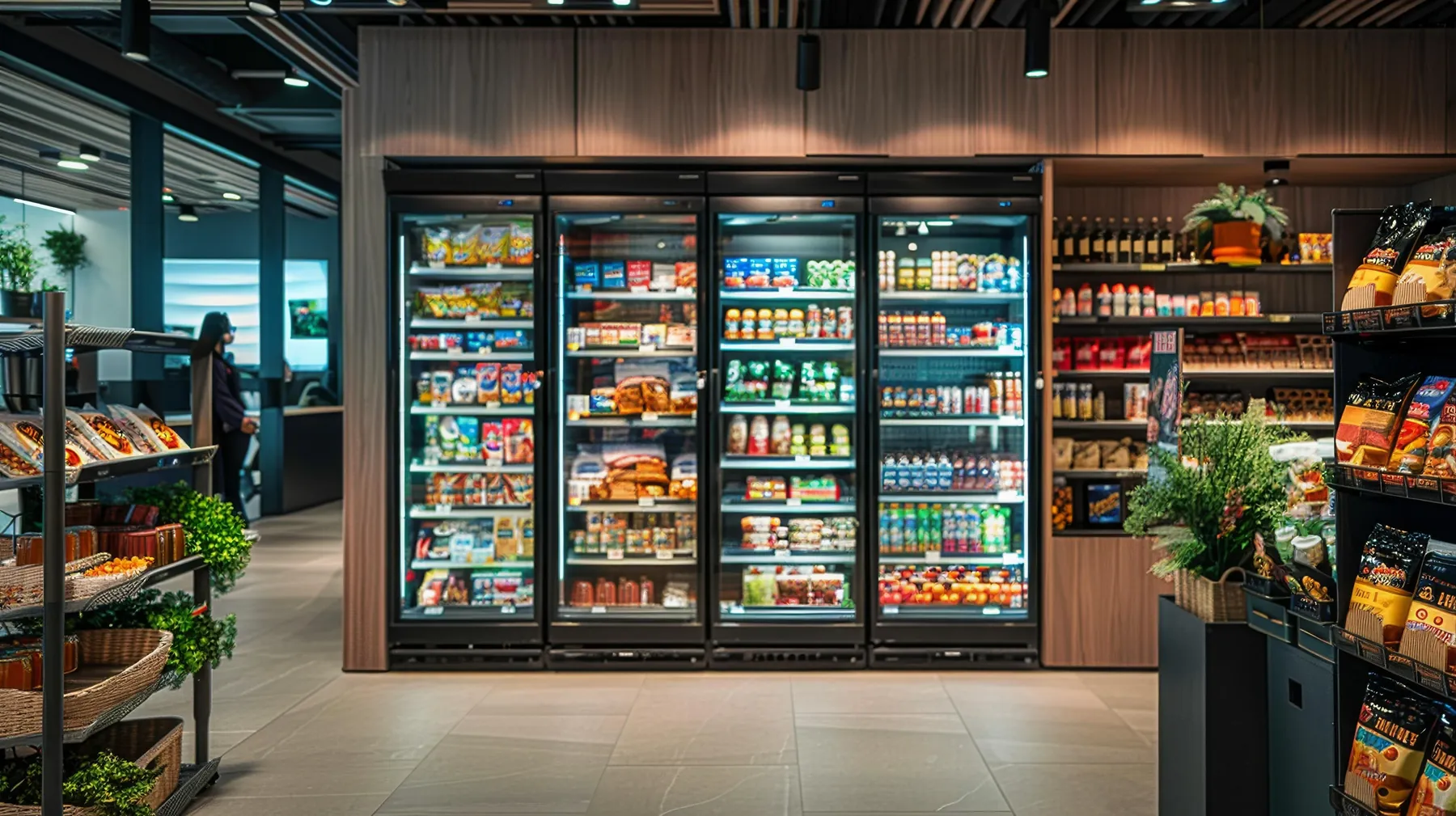
A retrofit or replacement is a good time to fix the other things that waste power in a refrigeration system.
Some of these upgrades may qualify for BC Hydro business incentives. Ask us and we will point you to what applies.
Not for existing equipment. Since 2020, new condensing units and rack systems cannot use it, and the national supply of HFC refrigerants is being cut in steps. That means higher prices and less availability for servicing over time.
No. Existing equipment can keep running and can still be serviced. The rules limit refrigerants in new equipment and reduce supply, which is why planning ahead saves money.
Global warming potential. It compares how much heat a refrigerant traps with the same amount of carbon dioxide. R-404A has a GWP of about 3,900. Newer options range from about 1,400 down to 1.
Not quite. It runs at similar pressures and uses the same type of oil, so many systems convert well. The filter drier should be changed, expansion valves may need adjusting and the controls need new settings. Done properly, performance is close to R-404A.
Some systems can be retrofitted to a lower-GWP refrigerant, but not all. It depends on the compressor, the components and the refrigerant chosen. We assess each system before recommending a retrofit.
If a system is old, leaking or needs a major repair, replacing it with lower-GWP equipment is often the better investment. Newer equipment in good condition can usually keep running.
It is recovered by certified technicians and sent for reclaim or destruction. Venting refrigerant is illegal in BC.
Call (778) 874-2665 or send us a list of your equipment. We will review your systems and recommend a plan.
Send us a list of your equipment or give us a call. We will tell you what to retrofit, what to replace and what can wait.
Commercial and industrial refrigeration repair, installation and maintenance for Metro Vancouver, the Lower Mainland and the Fraser Valley. Emergency service 24/7. Office hours Monday to Friday, 8 AM to 4:30 PM.